Say "Yes" To These 5 Storage Containers Tips
페이지 정보

본문
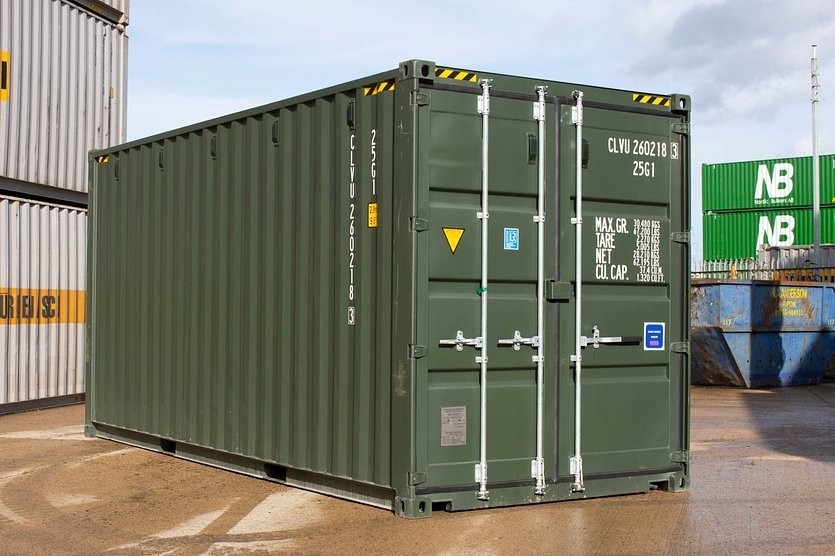
Cargo Storage Containers: Versatile Solutions for Modern Storage Needs
In an age where efficiency and practicality are critical, cargo storage containers have actually emerged as a popular option for services and people needing secure and trusted storage solutions. These containers serve a multitude of purposes across various industries, from shipping and logistics to construction and even domestic applications. In this post, we will explore the different types of cargo storage containers available, their usages, advantages, and often asked questions to assist possible users make notified decisions.
Understanding Cargo Storage Containers
Cargo storage containers, typically referred to as shipping containers, are large, robust systems designed to help with the transport and storage of items. They are mostly made from steel and have particular standardized dimensions, making them stackable and simple to transport by means of ship, truck, or train.
Types of Cargo Storage Containers
Cargo containers come in various sizes and configurations, each dealing with particular requirements. Below is a breakdown of the most typical kinds of containers:
| Type of Container | Dimensions (L x W x H) | Features | Typical Uses |
|---|---|---|---|
| Requirement Dry Container | 20' x 8' x 8.5' (6.06 m x 2.44 m x 2.59 m) | Weatherproof, safe | General cargo, furnishings |
| High Cube Container | 40' x 8' x 9.5' (12.19 m x 2.44 m x 2.89 m) | Extra height for extra cargo | Bulky items, equipment |
| Refrigerated Container | 20' x 8' x 8.5' (6.06 m x 2.44 m x 2.59 m) | Temperature control for disposable products | Food, pharmaceuticals |
| Open Top Container | 20' x 8' x 8.5' (6.06 m x 2.44 m x 2.59 m) | Open leading for high cargo and flexibility | Heavy equipment, wood |
| Flat Rack Container | 20' or 40' (6.06 m or 12.19 m) | No sides or roof, matched for oversized loads | Machinery, big devices |
| Tunnel Container | 20' x 8' x 8.5' (6.06 m x 2.44 m x 2.59 m) | Two entry/exit points, perfect for fast gain access to | Warehousing, logistics |
Benefits of Using Cargo Storage Containers
Security: Built from resilient steel, cargo containers are resistant to theft and vandalism. Lots of containers come equipped with lock systems for added security.
Weather condition Resistance: Designed to withstand harsh climate condition, cargo containers protect their contents from rain, wind, and extreme temperature levels.
Cost-Effectiveness: Renting or buying a used shipping container can be substantially cheaper than traditional self-storage units, especially for long-lasting needs.
Adaptability: Cargo containers can serve numerous functions, from mobile offices to pop-up retail spaces, making them ideal for different markets.
Mobility: Containers can be easily transported, whether across cross countries by means of freight or locally by truck, permitting flexible storage solutions.
Eco-Friendly Options: Reusing shipping containers for storage or construction can be a sustainable alternative compared to standard building materials.
Common Uses of Cargo Storage Containers
The applications for cargo storage containers are huge. Here are some typical usages:
Industries: Cargo containers are fundamental in shipping items throughout the world. They help assist in trade in markets such as manufacturing, farming, and durable goods.
Construction Sites: Temporary storage for devices and materials on construction sites helps keep jobs arranged and secure.
Retail: Many companies convert cargo containers into unique retail spaces or pop-up shops, providing an unique shopping experience.
Residential: Homeowners have progressively turned to shipping containers for ingenious housing solutions, including small homes and yard offices.
Emergency situation Services: In times of catastrophe, cargo containers can provide needed storage for emergency situation supplies and devices.
Selecting the Right Container
Choosing the best cargo storage container requires careful factor to consider of numerous aspects. Some important elements to bear in mind consist of:
Purpose: Define what you plan to use the container for-- storage, transport, residential, or business functions?
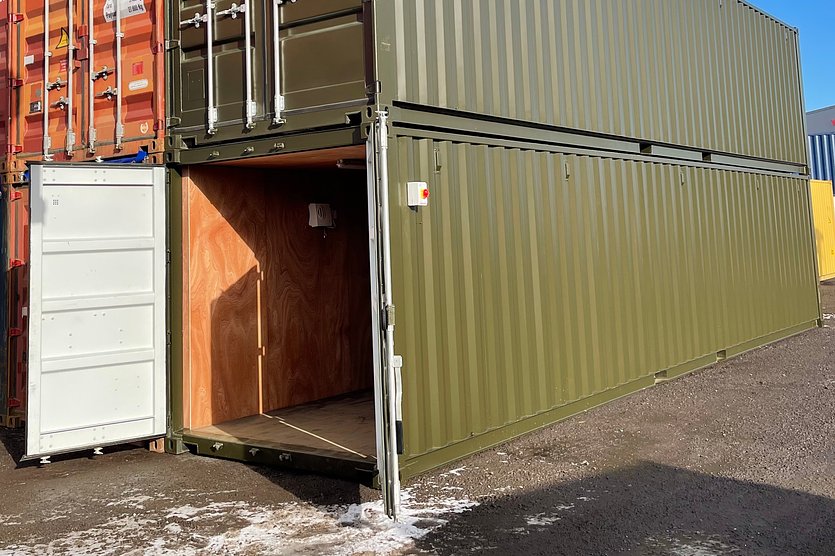
Size: Match the container's dimensions to your specific needs. Think about future growth and whether a bigger size might be necessary.
Condition: Decide in between new or used containers. New containers offer greater durability, while used ones may be more affordable.
Availability: Think about how typically you will access the container and whether ease of access is a top priority.
Area: Determine where the container will be put and look for any local regulations or zoning constraints.
Often Asked Questions (FAQ)
Q: Can cargo containers be modified for specific needs?A: Yes, lots of business concentrate on customizing cargo containers to fit specific requirements, such as including windows, ventilation, or electrical systems.
Q: How can I guarantee a cargo container is safe?A: Look
for containers with safe and secure locking systems. Additionally, examine for rust or damage, and think about security features like alarms if required.
Q: What are the typical rental expenses for cargo containers?A: Rental prices differ based on area, size, and duration but can vary from ₤ 50 to ₤ 300 per month for basic containers. Q: Do cargo containers require maintenance?A: Regular assessments
for structural integrity, rust, and functionality of locks
are advised. Minor maintenance guarantees the durability of the container. Q: Are there weight constraints for cargo containers?A: Yes, cargo containers have actually weight limitations defined by their design
. It is necessary to stick to these limitations to prevent damage and make sure security. Cargo storage containers are indispensable in today's fast-paced environment. Their adaptability, security, and cost-effectiveness make them a feasible alternative for numerous
storage requires across various industries. By understanding the different types of containers offered and their applications, companies and people can make informed choices that align with their specific requirements. Whether for business usage, construction, or individual projects, there is a cargo storage service offered to satisfy every storage difficulty. Additionally, as sustainability and ingenious design continue to form modern solutions, cargo containers remain at the leading edge of these patterns, showing that they are more than just a short-term storage solution-- they are an entrance to unlimited possibilities.
- 이전글В кто всё что-то делает развивающемся мире архитектурного дизайна «умное стекло» как и «умная пленка» стали революционными решениями, пре? 25.12.09
- 다음글10 Meetups On Private ADHD Assessment Near Me You Should Attend 25.12.09
댓글목록
등록된 댓글이 없습니다.