10 Things You Learned In Kindergarden They'll Help You Understand Fasc…
페이지 정보

본문
Understanding Fascia and Soffit: Essential Components of Your Building's Exterior
When constructing or refurbishing a building, attention to information is vital. Homeowners frequently concentrate on the more obvious elements like doors and windows, however crucial elements such as Fascia And Soffit Experts and soffit are equally crucial. These components play a significant function in both visual appeal and practical performance, ensuring that structures are not only lovely but likewise well-protected from the elements. In this article, we will explore the meanings, purposes, materials, maintenance, and best practices for fascia and soffit installation.
What Are Fascia and Soffit?
Fascia
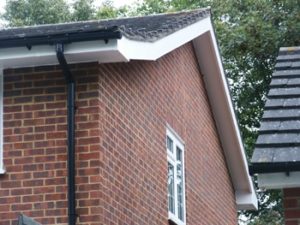
Fascia refers to the horizontal board that runs along the edge of the roofline. It is generally installed straight to the roofing trusses and serves to protect the ends of the roofing system rafters. Beyond its practical elements, fascia likewise has a critical aesthetic purpose by offering a finished seek to the edge of a roof.
Soffit
Soffit, on the other hand, is the product that covers the underside of a roof overhang. It bridges the space between the wall of your home and the roofing system, making sure ventilation and offering an aesthetically pleasing surface. Soffits are essential for maintaining roof ventilation, which prevents moisture accumulation in the attic and adds to energy effectiveness.
Functions of Fascia and Soffit
| Function | Fascia | Soffit |
|---|---|---|
| Visual Appeal | Provides a tidy roofline finish | Completes the roofing system overhang look |
| Security | Shields roof rafters from moisture and insects | Avoids animals from entering the attic |
| Ventilation | Often fitted with vents to permit airflow | Enhances attic ventilation and avoids stagnant air |
| Structural Support | Adds rigidness to the roofing system structure | Secures rafters and adds stability |
Products Used
Both fascia and soffit can be made from various products, each offering distinct benefits and visual qualities.
Typical Fascia Materials
- Wood: Offers a traditional and warm appearance but requires routine maintenance to avoid rot.
- Vinyl: Low maintenance and resistant to wetness but can fade in time.
- Aluminum: Durable and weather-resistant, it is available in a variety of colors and finishes.
- Composite: Made from a blend of products, supplying the look of wood without the maintenance issues.
Typical Soffit Materials
- Vinyl: A popular option due to its low upkeep and resistance to moisture.
- Aluminum: Like fascia, aluminum soffits are durable, weather-resistant, and offered in numerous colors.
- Wood: Provides a standard look, however requires painting and sealing to avoid damage.
- Fiber Cement: Offers resilience and resistance against bugs and moisture while mimicking wood's look.
Picking the Right Fascia and Soffit
When choosing fascia and Soffit And Cladding products, think about the following elements:
- Climate: In regions with extreme weather condition, prioritize resilient products that can withstand moisture and temperature modifications.
- Design: Ensure that the materials match the total architectural design of the structure.
- Maintenance: Evaluate just how much maintenance you want to undertake. Vinyl and aluminum need far less than wood.
- Spending plan: Prices can differ substantially, so budget accordingly when picking materials.
Installation Tips
Proper installation of fascia and soffit is vital for performance and longevity. Here are key ideas for an effective installation:
- Measure Properly: Ensure precise measurements to prevent spaces or overlaps.
- Usage Quality Fasteners: Select corrosion-resistant screws and nails, particularly for metal products.
- Ventilation: Ensure that soffits are properly ventilated to boost attic air flow and prevent moisture buildup.
- Sealing: Use caulk to seal any joints or joints to keep out wetness and bugs.
- Routine Inspections: Check fascia and soffits routinely for signs of wear, water damage, or pest problem.
Maintenance of Fascia and Soffit
Routine maintenance will extend the life of your fascia and soffit:
- Clean Regularly: Remove dirt, leaves, and debris to prevent buildup.
- Examine for Damage: Look for signs of rot, pests, or dents periodically.
- Paint/Seal: For wooden products, a fresh coat of paint or sealant will safeguard versus the aspects.
- Check Ventilation: Ensure that any ventilation openings remain clear to promote appropriate air flow.
FAQ Section
What is the difference between fascia and soffit?
Fascia is the board that caps completions of the roofing system rafters, while soffit is the product that covers the underside of the roofing overhang.
Why is soffit ventilation important?
Soffit ventilation assists regulate airflow in the attic, avoiding heat buildup and wetness accumulation that can cause mold development and structural damage.
Can fascia be painted?
Yes, fascia can be painted, particularly if it is made from wood. Ensure it is appropriately prepped and sealed to protect versus moisture.
How often should fascia and soffit be examined?
It's recommended to check fascia and soffit a minimum of once a year, specifically after extreme weather, to discover any damage or wear early on.
What indications suggest that fascia or soffit needs replacing?
Indications consist of rot, drooping, Gutter Replacement paint peeling, and noticeable insects. If there's substantial damage, it's best to speak with a professional.
Fascia and soffit might not be the most glamorous components of a structure, but they play critical functions in securing and boosting the structure. Understanding their functions, choosing the ideal materials, and carrying out routine maintenance can help property owners guarantee that these components serve their function efficiently for years to come. Purchasing the best fascia and soffit can contribute to the durability and appeal of a structure while preventing pricey repairs down the line.
- 이전글15 Up-And-Coming Cooker Extractor Hood Bloggers You Need To Watch 25.12.09
- 다음글【둘리알바.COM】 대치동유흥알바 대치동여성알바 대치동아가씨알바 서울노래방알바 서울노래방도우미 서울노래방도우미알바 25.12.09
댓글목록
등록된 댓글이 없습니다.